

Blog
Asia Manufacturing Trends: Key Changes Shaping 2025 Trade

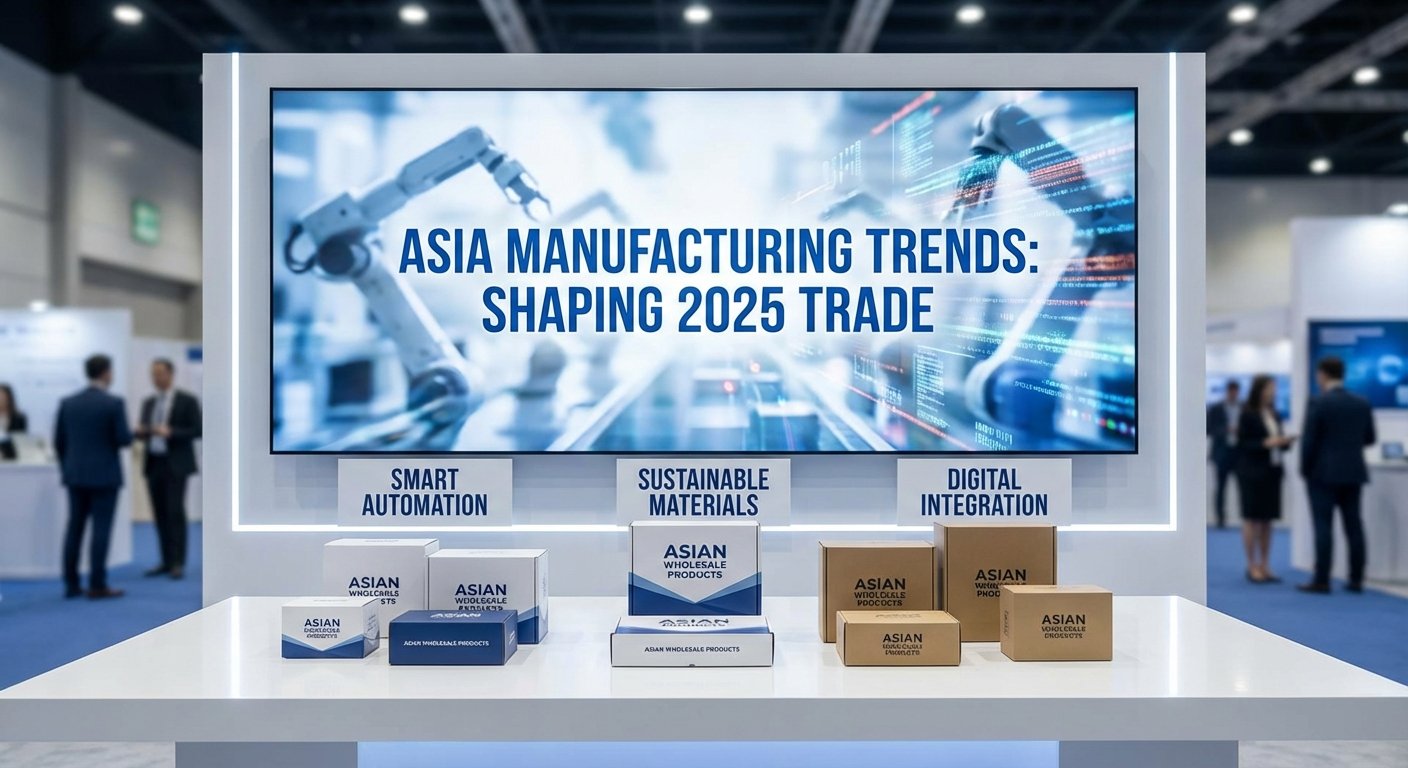
Asia’s Manufacturing and Trade Landscape: Key Developments Reshaping Business in 2025-2026
The Asian manufacturing and trade sector has witnessed significant transformations, with major investments in technology, infrastructure, and cross-border partnerships reshaping the business landscape. This comprehensive overview examines the latest developments and their impact on global trade dynamics.
Manufacturing Excellence and Technology Innovation
Asia’s manufacturing sector has demonstrated remarkable growth through strategic investments in advanced technology. Samsung Electronics’ new $2 billion semiconductor fabrication plant in Pyeongtaek represents South Korea’s commitment to maintaining its leadership in the global chip industry. The facility specializes in producing advanced logic chips, strengthening Asia’s position in the semiconductor supply chain.
In a parallel development, Foxconn’s $1.5 billion investment in Indian iPhone assembly facilities signals a significant shift in global electronics manufacturing. This expansion is poised to transform India into a major hub for high-tech manufacturing, creating thousands of jobs and enhancing the country’s export capabilities.
Trade Growth and Economic Milestones
The region’s trade performance has reached unprecedented levels, with several notable achievements:
- China’s total trade volume hit $6.2 trillion, marking a 5.1% year-over-year increase
- The RCEP trade agreement delivered substantial benefits, boosting ASEAN exports by 8%
- India’s elevation to the world’s third-largest economy, with a GDP of $6.1 trillion
- Vietnam’s impressive 7.0% GDP growth, driven by manufacturing excellence
Strategic Business Partnerships and Infrastructure Development
Corporate collaboration has emerged as a key driver of growth, with several landmark partnerships announced. The Hyundai Motor Group and LG Energy Solution’s $4 billion joint venture in Indonesia demonstrates the region’s commitment to electric vehicle infrastructure. Similarly, Alibaba’s partnership with Siam Makro represents a significant step toward integrated B2B ecommerce solutions in Southeast Asia.
Supply Chain Evolution and Challenges
Infrastructure developments have significantly improved regional connectivity, with the Laos-China high-speed railway dramatically reducing transit times between key commercial hubs. However, natural disasters, such as the Guangdong typhoon, have highlighted the need for robust supply chain resilience strategies.
Conclusion
Asia’s manufacturing and trade sector continues to evolve rapidly, driven by technological advancement, strategic partnerships, and infrastructure development. These developments present significant opportunities for businesses seeking to engage with Asian markets, while also highlighting the importance of adaptable and resilient business strategies in an ever-changing global landscape.