

Blog
Asian Manufacturing Trends: New Growth and Tech Integration 2026

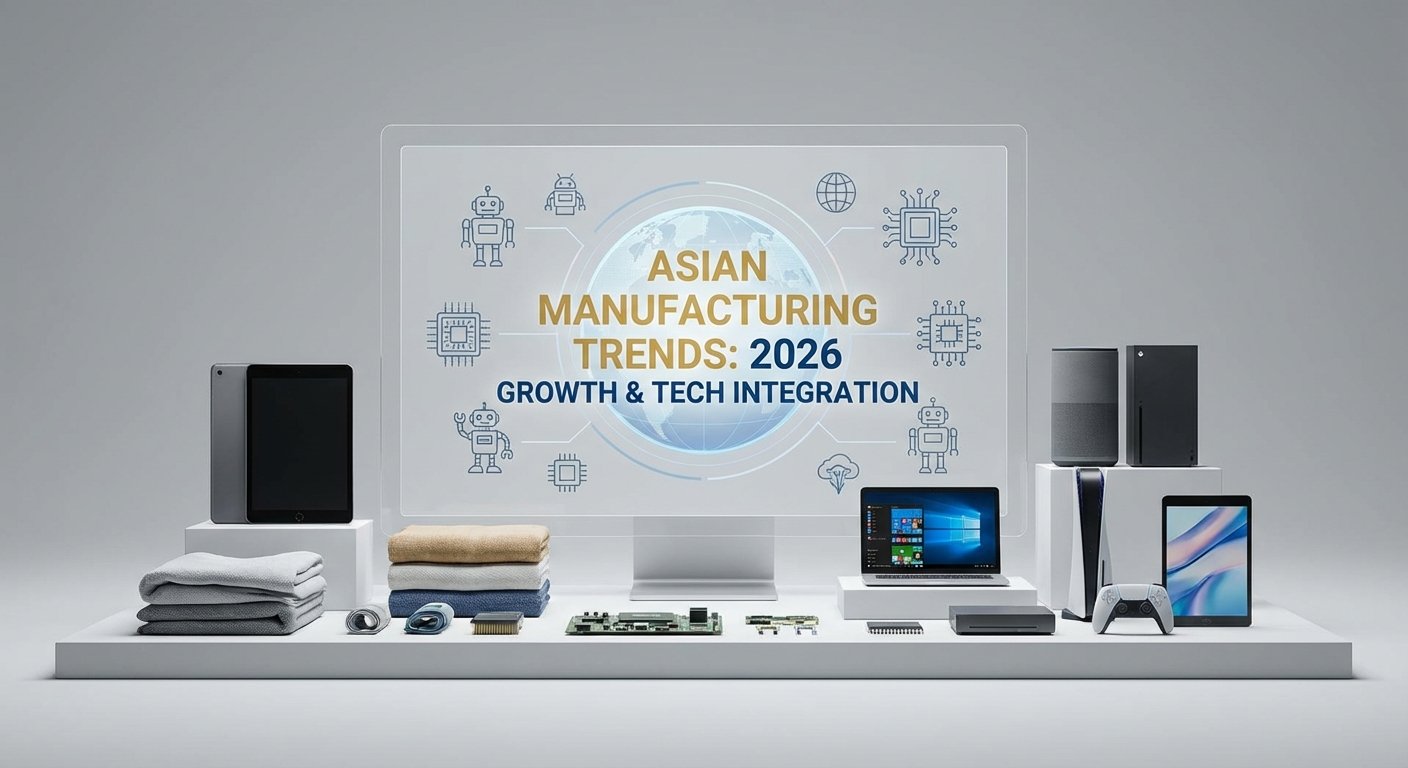
Asian Trade and Manufacturing Outlook: Key Developments Reshaping the Region’s Business Landscape
The Asian manufacturing and trade sector continues to demonstrate remarkable resilience and innovation, with significant developments reshaping the business landscape across the region. This comprehensive analysis examines the latest trends, innovations, and market shifts that are defining Asia’s role in global commerce.
Manufacturing Expansion and Technology Integration
Asia’s manufacturing sector is experiencing substantial growth and technological advancement. Foxconn’s expansion of production facilities in India marks a significant shift in global electronics manufacturing, particularly for high-end consumer devices. This strategic move aims to diversify production capabilities and strengthen regional supply chains.
In Vietnam, the announcement of Samsung Electronics’ new semiconductor manufacturing facility represents a major vote of confidence in Southeast Asia’s growing role in high-tech production. This development is expected to create thousands of jobs and strengthen Vietnam’s position in the global semiconductor supply chain.
Trade Growth and Regional Integration
Regional trade continues to flourish, with several notable developments:
- China’s exports to ASEAN nations recorded an 8% year-on-year growth in the first half of 2026
- India-UAE trade relations strengthened with a 12% increase in exports
- The implementation of RCEP has created unprecedented opportunities for intra-regional trade
Innovation and Sustainable Development
Asian manufacturers are leading the charge in sustainable innovation. Toyota’s new hydrogen fuel cell trucks demonstrate the region’s commitment to green technology in the transportation sector. Similarly, Singapore’s breakthrough in sustainable packaging materials shows how Asian companies are addressing global environmental challenges through innovation.
The plant-based food sector has seen remarkable growth, with a 20% increase in sales, indicating shifting consumer preferences and new opportunities for manufacturers and exporters.
Digital Transformation in Trade and Logistics
The digitalization of trade infrastructure is accelerating across Asia. Major ports in Singapore and Shenzhen have implemented advanced digital systems to enhance operational efficiency. The e-commerce sector’s 25% growth in Southeast Asia underscores the region’s rapid digital transformation.
Economic Outlook and Future Prospects
The Asian Development Bank’s projection of 5.3% growth for emerging Asian economies in 2026 reflects the region’s strong economic fundamentals. This growth is supported by:
- Robust domestic consumption
- Increasing export volumes
- Strong manufacturing sector performance
- Growing regional integration
Conclusion
Asia’s manufacturing and trade sector is demonstrating remarkable dynamism, driven by technological innovation, sustainable development initiatives, and digital transformation. The region’s strong economic fundamentals and growing regional integration suggest continued growth and opportunities for businesses operating in or with Asian markets. As these trends continue to evolve, companies should position themselves to capitalize on the region’s expanding business opportunities while adapting to its rapidly changing commercial landscape.