

Blog
Asian Manufacturing Trends: Key Growth Drivers in 2024

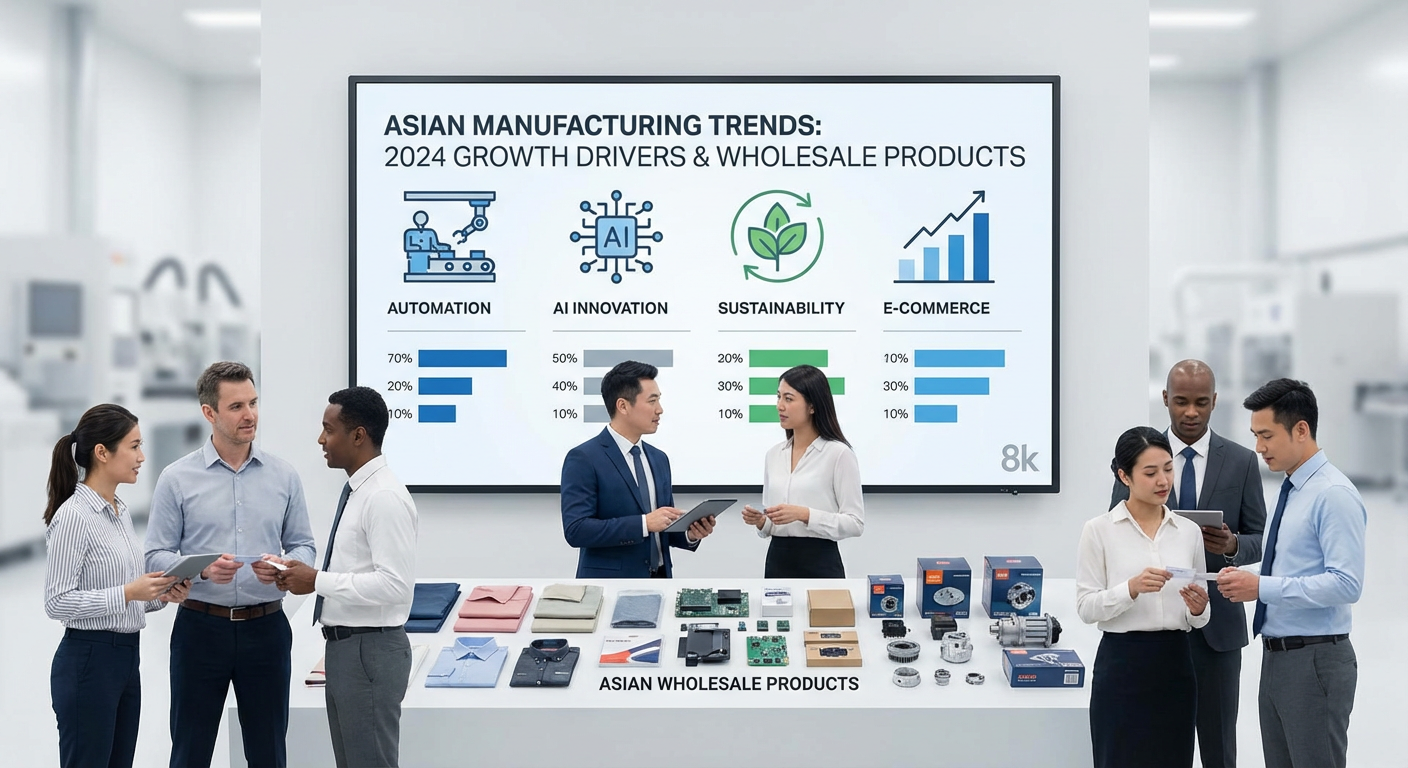
Asian Manufacturing and Trade Outlook: Key Developments Shaping the Region’s Economic Landscape
The Asian manufacturing and trade sector continues to demonstrate remarkable resilience and innovation, with several significant developments emerging across the region. From groundbreaking technological advances to major infrastructure investments, these changes are reshaping the business landscape and creating new opportunities for global trade partners.
Manufacturing Excellence and Innovation
Japanese automotive giant Toyota’s ambitious expansion into electric vehicle production marks a significant milestone for Asian manufacturing. The new battery plant in Thailand, representing a $1 billion investment, showcases the region’s commitment to sustainable transportation solutions. This facility is poised to become a crucial hub for EV battery production, with operations scheduled to commence by late 2026.
In the technology sector, Chinese manufacturer Huake’s introduction of affordable 5G smartphones demonstrates Asia’s capability to meet evolving market demands while maintaining competitive pricing. The new product line, targeting Southeast Asian markets, represents a strategic move to capture the growing demand for advanced telecommunications devices.
Trade Performance and Economic Indicators
South Korea’s exceptional export performance, particularly in electronics and automotive sectors, highlights the region’s strong trade relationships with Western markets. The 15% year-over-year increase in exports to the United States underscores the robust demand for Asian-manufactured goods.
Meanwhile, India’s economic trajectory, despite showing a slight moderation to 6.5% growth, remains one of the strongest among major economies. The projected rebound to 7% growth in the coming fiscal year reflects the underlying strength of the Indian economy and its resilience to global challenges.
Innovation and Healthcare Advances
Singapore continues to cement its position as Asia’s innovation hub, with BioSpectra’s revolutionary diagnostic kit representing a breakthrough in healthcare technology. This development not only showcases Asian technological capabilities but also opens new opportunities in the global healthcare market. Key features include:
- Single blood sample testing capability
- Multiple disease detection
- Home-based diagnostics
- Global distribution potential
Supply Chain and Logistics Evolution
The opening of AsiaCargo’s advanced distribution center in Malaysia marks a significant advancement in regional logistics capabilities. With its million-package daily processing capacity and state-of-the-art automation, this facility represents the future of supply chain management in Southeast Asia.
Additionally, Vietnam’s new trade agreement with the European Union opens up unprecedented opportunities for Asian manufacturers and exporters. The elimination of tariffs on 99% of goods is expected to significantly boost trade volumes and create new market opportunities for businesses across the region.
Conclusion
As Asia continues to evolve as a global manufacturing and trade hub, these developments signal promising opportunities for businesses worldwide. The combination of technological innovation, infrastructure development, and strategic trade partnerships positions the region for sustained growth and increased global market integration. Companies looking to expand their presence in Asian markets or source products from the region should carefully consider these trends when developing their business strategies.