

Blog
Asian Manufacturing Sector Surges: 2025-2026 Growth Outlook

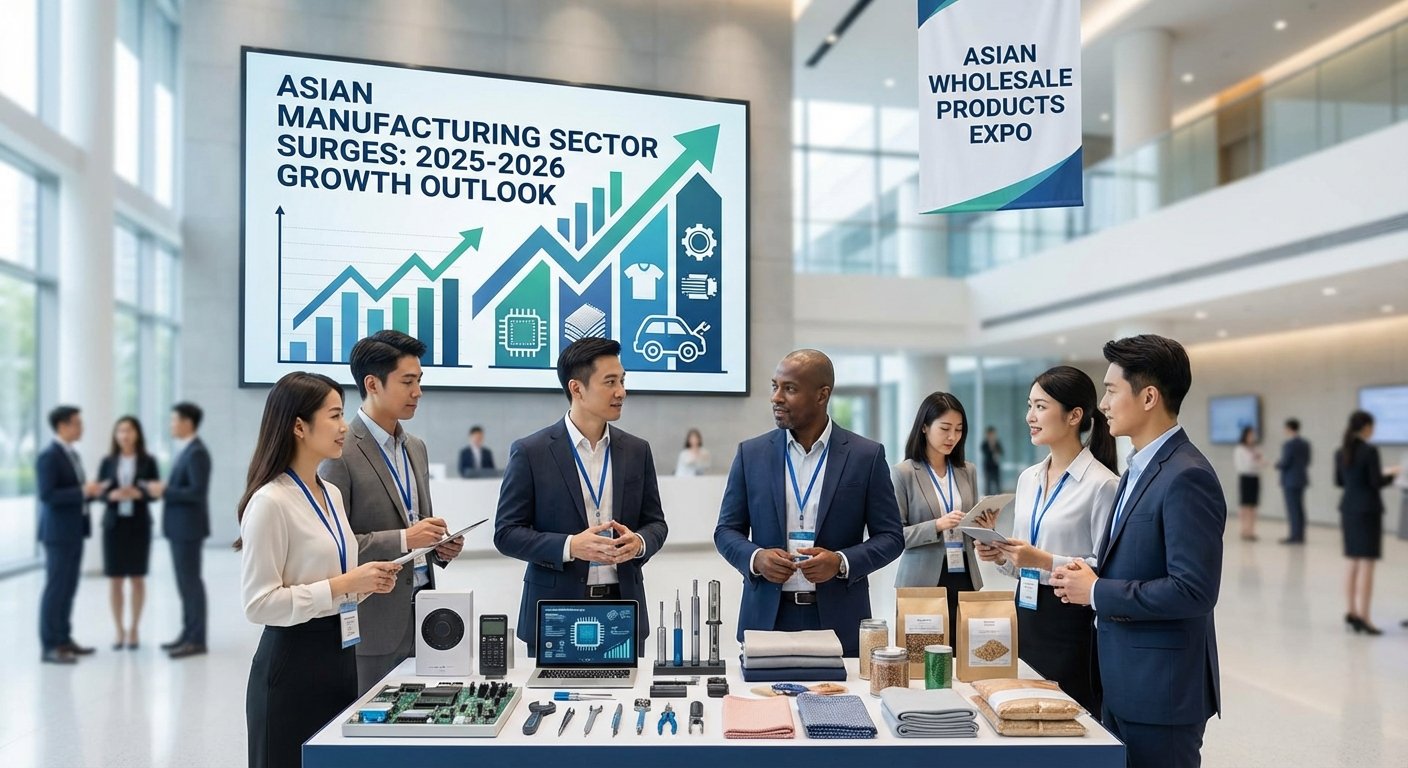
Asian Trade and Manufacturing Sector Shows Robust Growth in 2025-2026
The Asian wholesale and manufacturing sectors have demonstrated remarkable resilience and growth, marked by significant trade agreements, technological advancements, and strategic investments. This comprehensive analysis explores the key developments reshaping Asia’s business landscape and their implications for global trade.
ASEAN-China Trade Partnership Reaches New Heights
A landmark trade agreement between China and ASEAN has emerged as a pivotal development in regional commerce. This strategic partnership aims to reduce tariffs and enhance economic cooperation, with projections indicating a 20% increase in trade volume by 2027. The agreement particularly benefits sectors such as electronics, automotive components, and consumer goods, creating new opportunities for wholesale traders and manufacturers.
Manufacturing Innovation and Expansion
The manufacturing landscape has witnessed significant transformation, particularly in Vietnam and India. Notable developments include:
- A major South Korean electronics facility in Vietnam, projecting $2 billion in annual output
- India’s manufacturing sector showing robust growth with a 5.2% increase in the wholesale price index
- Advanced semiconductor production expansion across multiple Asian markets
Digital Transformation in B2B Trade
The wholesale sector is experiencing rapid digitalization, highlighted by the launch of innovative B2B platforms. A prominent Chinese e-commerce initiative is expected to facilitate $5 billion in transactions, connecting Asian manufacturers with global buyers. This digital transformation is revolutionizing traditional wholesale trading patterns and creating more efficient supply chain networks.
Export Performance and Global Market Integration
Japanese exports have achieved remarkable growth, particularly in the U.S. market, with a 10% year-over-year increase in the first quarter. This success story underscores the region’s competitive advantage in high-value manufacturing sectors, including automotive and electronics. The trend reflects growing global demand for Asian-manufactured products and the region’s strengthening position in international trade.
Strategic Investment and Market Diversification
Asian manufacturers are increasingly pursuing market diversification strategies. A notable example is the Taiwanese semiconductor industry’s $10 billion investment in U.S. production facilities, demonstrating a shift toward global market expansion and risk mitigation in supply chain management.
Conclusion
The Asian wholesale and manufacturing sectors continue to demonstrate dynamic growth and adaptation to global market demands. With strengthening regional partnerships, technological advancement, and strategic market expansion, Asia’s role in global trade is poised for further enhancement through 2026. Businesses engaged in Asian wholesale trade should closely monitor these developments to capitalize on emerging opportunities.