

Blog
Asian Manufacturing Growth: 2025 Trade Trends and Outlook

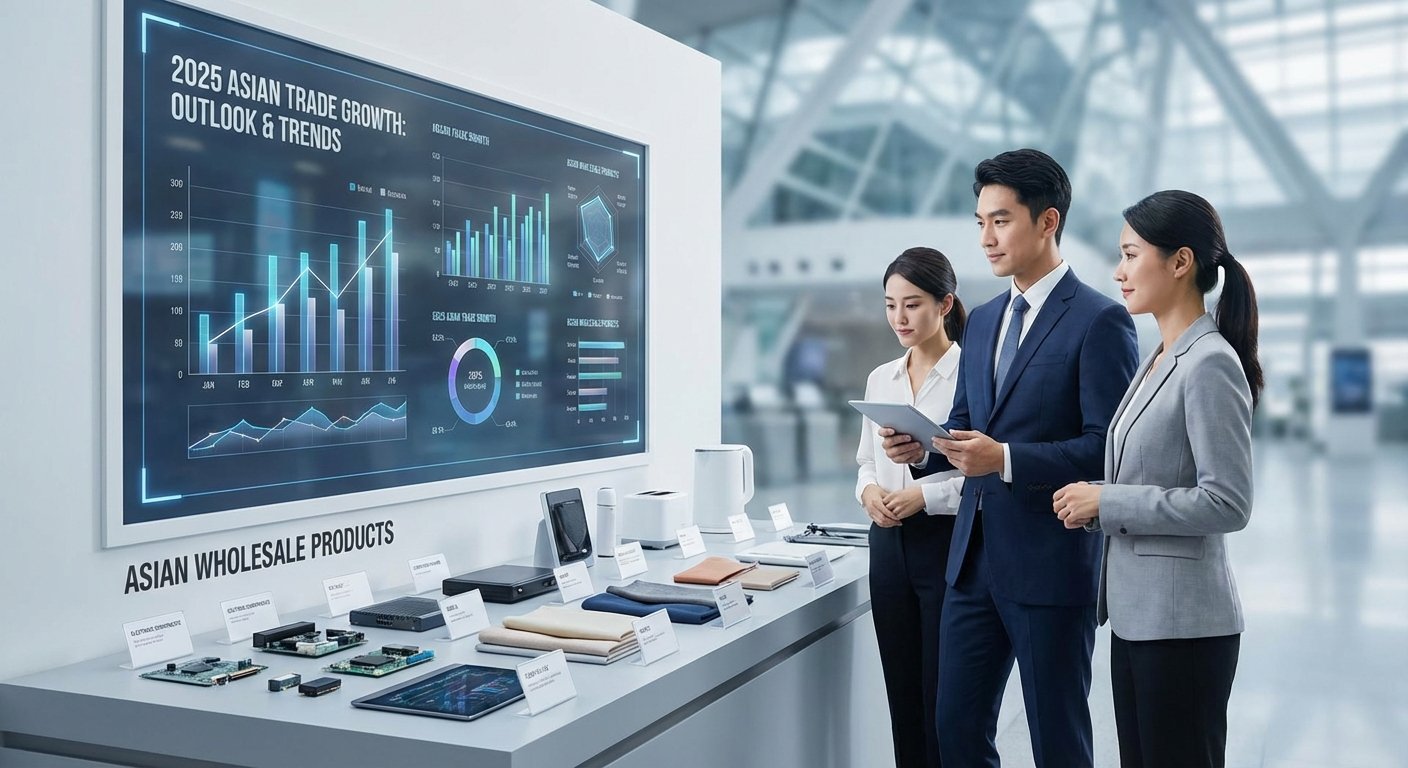
Asia’s Manufacturing and Trade Landscape: Key Developments Reshaping Global Commerce
The Asian manufacturing and trade sector continues to demonstrate remarkable resilience and growth, with significant developments across multiple industries shaping the global economic landscape. From unprecedented trade volumes to groundbreaking manufacturing investments, Asia’s position as a global commercial powerhouse has strengthened substantially.
Record-Breaking Trade Performance
China’s foreign trade reached an impressive $6.2 trillion in 2025, marking an 8% year-on-year increase. This growth has been primarily driven by robust exports in electronics, machinery, and equipment sectors, with ASEAN markets emerging as particularly strong trading partners. Similarly, Vietnam’s export performance has been exceptional, achieving $345 billion in exports, representing a 10% growth, with electronics, garments, and footwear leading the surge.
Manufacturing Expansion and Innovation
Several landmark manufacturing initiatives are transforming Asia’s industrial landscape:
- Samsung Electronics’ $2 billion investment in Vietnam’s semiconductor fabrication expansion
- Reliance Industries’ new state-of-the-art polyester and textile manufacturing complex in Gujarat
- LG’s $1.2 billion battery cell plant development in Indonesia
Economic Growth and Regional Integration
The ASEAN region is positioned for robust growth, with a projected 5.2% expansion in 2026. This positive outlook is complemented by India’s impressive 7.5% economic growth in the 2025-26 fiscal year, reinforcing its status as the world’s fastest-growing major economy. The implementation of the Regional Comprehensive Economic Partnership (RCEP) has created the world’s largest free trade zone, significantly enhancing regional economic integration.
Supply Chain Evolution and Logistics Innovation
The region’s supply chain infrastructure continues to evolve, with Alibaba’s Cainiao establishing a cutting-edge smart logistics hub in Singapore, enhancing regional e-commerce capabilities. However, challenges remain, as evidenced by the supply chain disruptions in Guangdong’s electronics sector due to severe weather events, highlighting the need for robust contingency planning.
Consumer Technology and Market Adaptation
In the consumer technology sector, manufacturers are adapting to evolving market demands. Xiaomi’s introduction of affordable 5G smartphones specifically designed for the Southeast Asian market demonstrates the industry’s commitment to market-specific innovation and accessibility.
Conclusion
Asia’s manufacturing and trade sector continues to demonstrate remarkable adaptability and growth potential. The combination of strategic investments, technological advancement, and regional economic integration positions the region for sustained leadership in global commerce. However, stakeholders must remain vigilant about supply chain vulnerabilities and continue investing in resilient infrastructure to maintain this growth trajectory.