

Blog
Asian Manufacturing Trends: 2026 Market Growth & Innovation

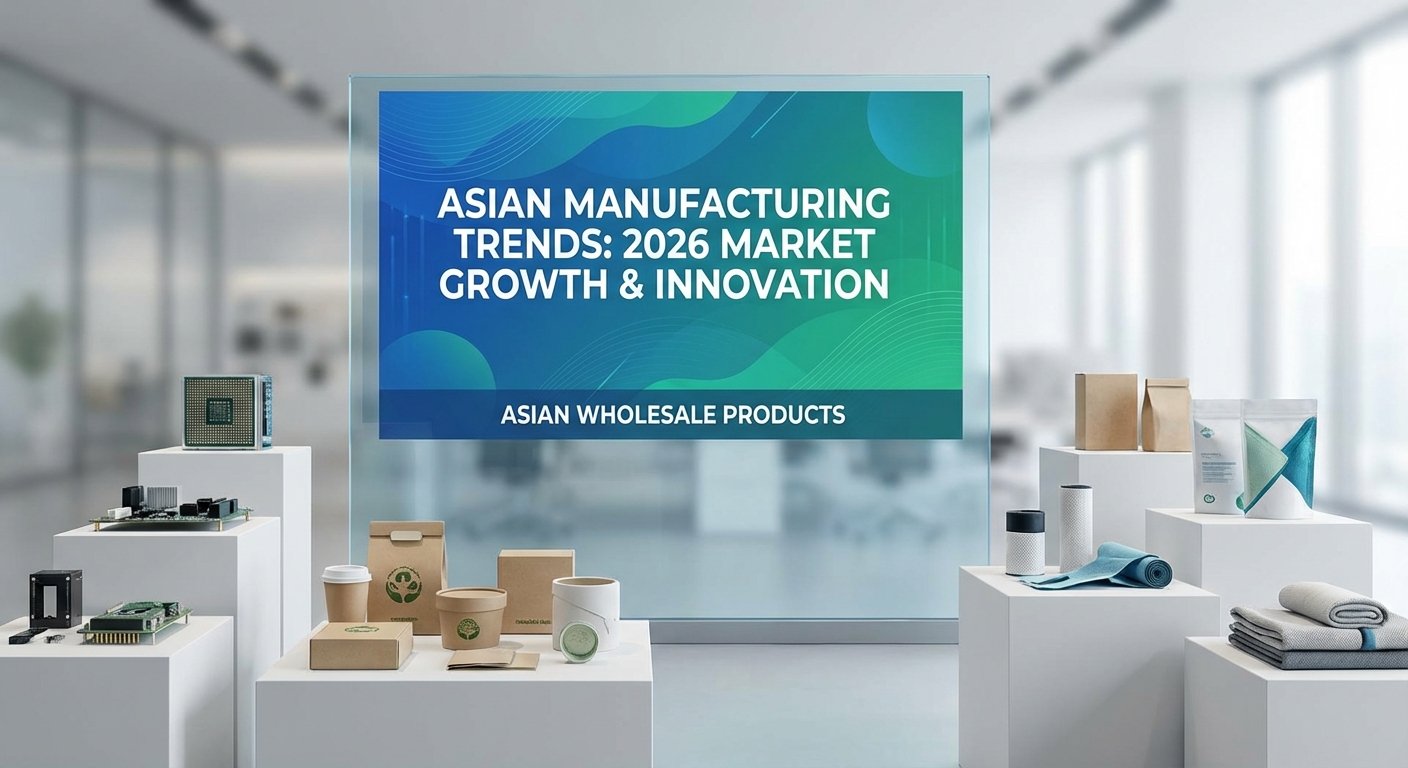
Asian Manufacturing and Trade: Key Developments Shaping the Region’s Economic Landscape in 2026
The Asian manufacturing and trade sector continues to demonstrate remarkable resilience and growth in 2026, with several key developments reshaping the regional economic landscape. This comprehensive analysis examines the latest trends, innovations, and market dynamics driving Asia’s position as a global manufacturing and trade powerhouse.
Manufacturing Excellence and Innovation Leadership
Asian manufacturers are making significant strides in technological advancement and production capacity expansion. Samsung Electronics has committed a substantial $5 billion investment in its Vietnamese semiconductor facility, targeting a 50% increase in production capacity. This move reinforces Vietnam’s growing importance in the global tech supply chain.
In India, Reliance Industries has strengthened its manufacturing capabilities with its new polyester facility in Gujarat, boasting an impressive annual production capacity of 1 million tonnes. This development positions India as a major player in the global textile and polyester market.
- Advanced robotics implementation by Foxconn in electronics manufacturing
- LG Chem’s innovative sustainable plastics production
- Increased focus on smart manufacturing technologies
Trade Volume Growth and Regional Integration
The ASEAN-China trade relationship has reached unprecedented heights, with bilateral trade volume hitting $1.2 trillion in 2025. This remarkable achievement underscores the deepening economic integration within Asia. Japan’s trade performance has also been notable, with exports to the United States increasing by 8.5% and imports rising by 12.2%.
Vietnam’s footwear sector exemplifies the region’s export growth potential, with projections indicating a 15% expansion in 2026. This growth is attributed to competitive pricing strategies and quality improvements in manufacturing processes.
Infrastructure and Supply Chain Enhancement
Significant investments in infrastructure and logistics capabilities are transforming Asia’s supply chain landscape. The joint venture between PSA International and Malaysia’s Port Klang Authority represents a major step forward in regional port capacity enhancement. Thailand’s $3 billion rail network upgrade further demonstrates the commitment to improving cross-border trade efficiency.
- Enhanced port handling capacity by 5 million TEUs
- Improved rail connectivity across Southeast Asia
- Streamlined cross-border logistics operations
Economic Growth and Market Opportunities
The Asian Development Bank’s projection of 5.8% growth for emerging Asia in 2026 reflects the region’s strong economic fundamentals. India’s impressive 7.2% growth rate in fiscal year 2025-26 highlights the country’s emergence as a global economic powerhouse. The e-commerce sector in Southeast Asia continues its upward trajectory, with sales expected to reach $172 billion in 2026.
Conclusion
Asia’s manufacturing and trade sector is experiencing transformative growth in 2026, driven by technological innovation, infrastructure development, and strategic investments. The region’s commitment to economic integration, coupled with robust domestic markets, positions it favorably for sustained growth and increased global market share. Businesses looking to capitalize on these opportunities should focus on developing strong regional partnerships and adapting to the evolving digital landscape.