

Blog
Asian Manufacturing Trends: Key Trade Developments for 2026

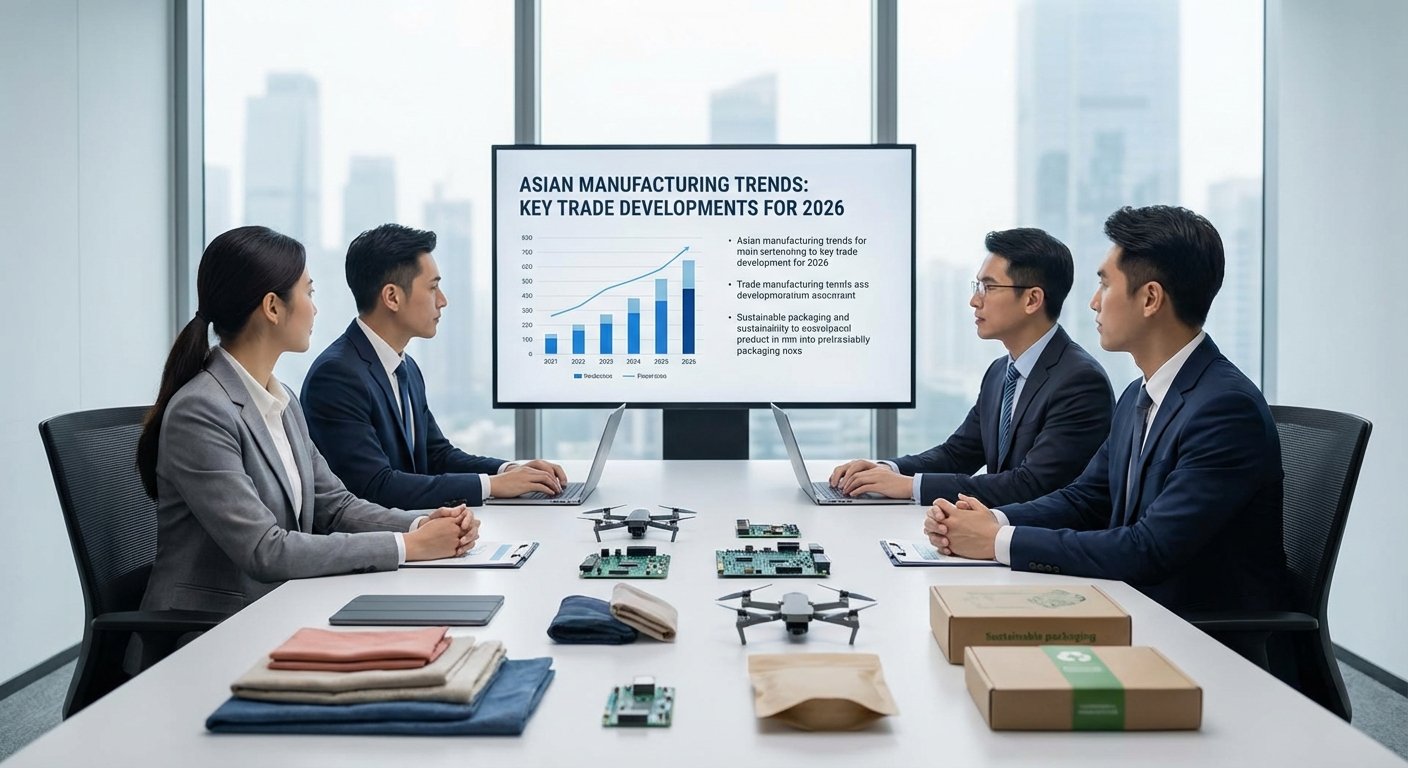
Asian Manufacturing and Trade: Key Developments Reshaping Global Commerce in 2026
The Asian manufacturing and trade landscape continues to evolve rapidly, with significant developments in technology, sustainability, and economic integration reshaping the region’s role in global commerce. This comprehensive overview examines the latest trends and developments in Asian manufacturing, trade, and wholesale markets.
Manufacturing Evolution and Technology Integration
Asian manufacturing is experiencing a remarkable transformation, driven by technological advancement and sustainable practices. Taiwan Semiconductor Manufacturing Company (TSMC) leads this charge with its ambitious $100 billion expansion plan, including a new state-of-the-art facility in Japan. This investment demonstrates Asia’s commitment to addressing global semiconductor demands and maintaining its position as a critical technology hub.
In the automotive sector, Hyundai Motor Group’s $1.5 billion electric vehicle battery plant in Indonesia marks a significant shift toward sustainable transportation solutions. This facility represents a broader regional trend of investing in green technology manufacturing.
Sustainable Products and Eco-friendly Innovation
Sustainability has become a central focus across Asian manufacturing sectors. Vietnamese textile manufacturers are at the forefront of this movement, with their new line of eco-friendly fabrics made from recycled materials. This initiative caters to the growing global demand for sustainable fashion and demonstrates Asia’s ability to adapt to changing market preferences.
The food industry is similarly evolving, with major manufacturers like Nissin Foods and CJ CheilJedang expanding their plant-based product lines, reflecting the region’s responsiveness to global dietary trends.
Trade Volumes and Economic Performance
Asian economies continue to demonstrate remarkable resilience and growth. Key indicators include:
- Record-breaking Chinese exports reaching $3.2 trillion
- India’s historic $500 billion merchandise export milestone
- Projected 5.2% growth for emerging Asian economies
- Japan’s economic recovery with 1.5% GDP growth
Supply Chain and Trade Integration
The implementation of the Regional Comprehensive Economic Partnership (RCEP) marks a significant milestone in Asian economic integration. This agreement, combined with new digital trade partnerships like the Singapore-EU agreement, is strengthening Asia’s position in global commerce.
Major shipping companies including COSCO Shipping and Evergreen Marine are investing heavily in infrastructure and fleet expansion, addressing global supply chain challenges and enhancing regional logistics capabilities.
Conclusion
Asian manufacturing and trade continue to demonstrate remarkable adaptability and innovation in 2026. The region’s focus on technological advancement, sustainability, and economic integration positions it strongly for future growth. With significant investments in infrastructure, sustainable practices, and digital transformation, Asia remains a crucial driver of global commercial development.
As these trends continue to evolve, businesses worldwide must stay informed about Asian market developments to maintain competitive advantages in the global marketplace.