

Blog
Asian Manufacturing Trends: 2026 B2B Trade Growth Outlook

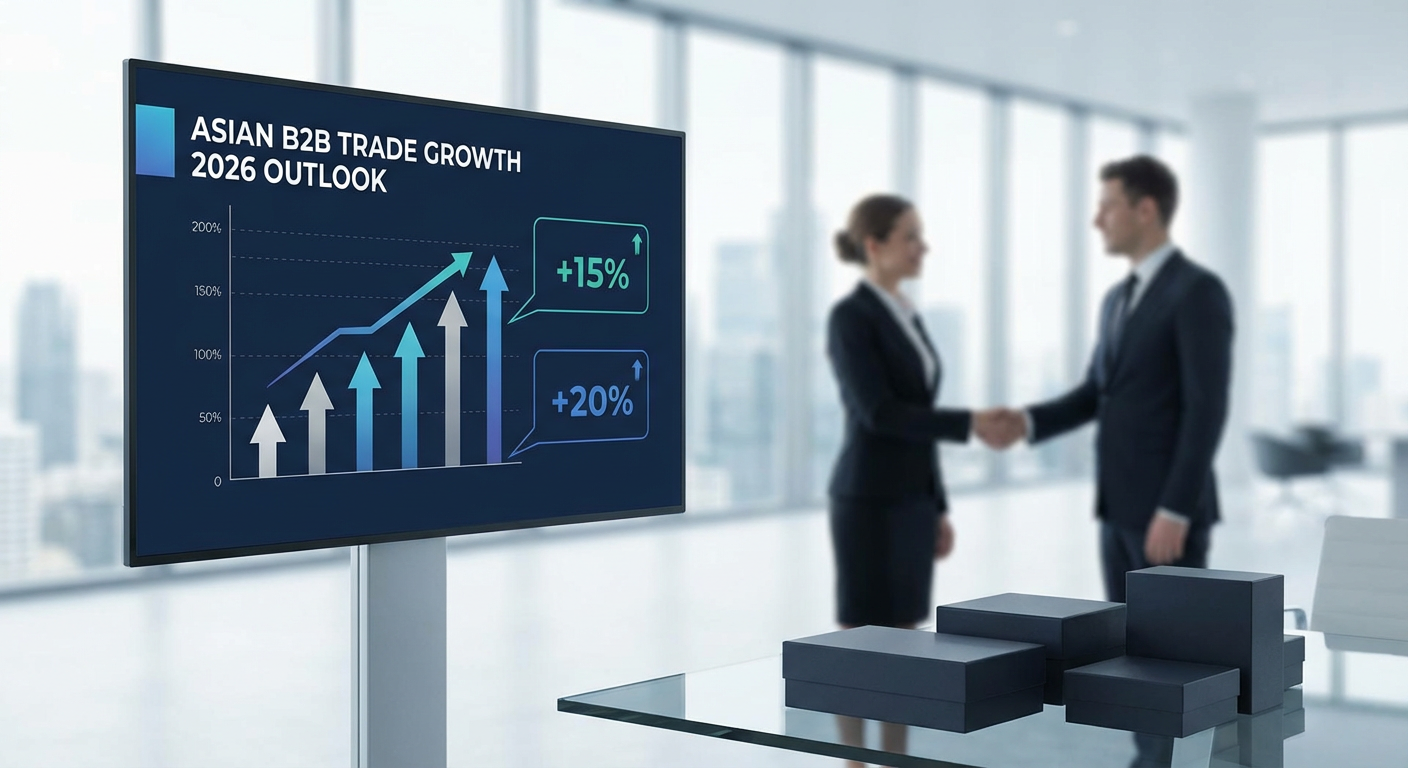
Asian Manufacturing and Trade Landscape: Key Developments Reshaping B2B Commerce in 2026
The Asian manufacturing and wholesale trade sectors have witnessed remarkable transformations throughout 2026, with several key developments indicating strong growth and innovation across the region. From groundbreaking infrastructure initiatives to technological advancements, these changes are reshaping the landscape of B2B commerce in Asia.
Manufacturing Excellence and Export Growth
China’s manufacturing sector has demonstrated exceptional resilience, recording a 15% year-on-year growth in export volumes. This substantial increase has been primarily driven by three key sectors:
- Electronics manufacturing
- Textile production
- Medical equipment manufacturing
Similarly, Vietnam has emerged as a manufacturing powerhouse, achieving an impressive 7.5% economic growth in Q1 2026. The country’s manufacturing sector has significantly contributed to its record-breaking trade surplus, establishing Vietnam as a crucial player in the global supply chain.
Sustainable Innovation and Technology Integration
Indonesia’s entry into the electric vehicle supply chain marks a significant milestone with its $2 billion investment in EV battery manufacturing. This strategic move positions the country as a key contributor to the growing global electric vehicle market.
Japanese manufacturers continue to lead in sustainable innovation, with the introduction of eco-friendly home appliances featuring:
- Advanced recycled material utilization
- Energy-efficient technologies
- Smart home integration capabilities
Digital Transformation in Wholesale Trade
Malaysia’s launch of a dedicated B2B e-commerce platform represents a significant step forward in digitalizing wholesale trade. This initiative has streamlined procurement processes and enhanced accessibility for international buyers seeking Malaysian products.
The strengthened trade alliance between South Korea and Singapore has created new opportunities for cross-border commerce, particularly in:
- Digital trade solutions
- Smart manufacturing collaboration
- Technology transfer initiatives
Infrastructure and Supply Chain Enhancement
India’s comprehensive infrastructure development plan demonstrates the region’s commitment to improving logistics efficiency. This initiative focuses on:
- Modern warehousing facilities
- Digital supply chain integration
- Enhanced transportation networks
- Smart port development
Conclusion
The Asian manufacturing and wholesale trade sectors are experiencing unprecedented growth and innovation in 2026. With substantial investments in infrastructure, technology, and sustainable practices, Asian markets continue to strengthen their position in global trade. Businesses looking to engage with Asian manufacturers and wholesalers will find an increasingly sophisticated and digitally integrated landscape that offers numerous opportunities for growth and collaboration.