

Blog
Asia Trade Trends 2026: Manufacturing and Tech Growth Ahead

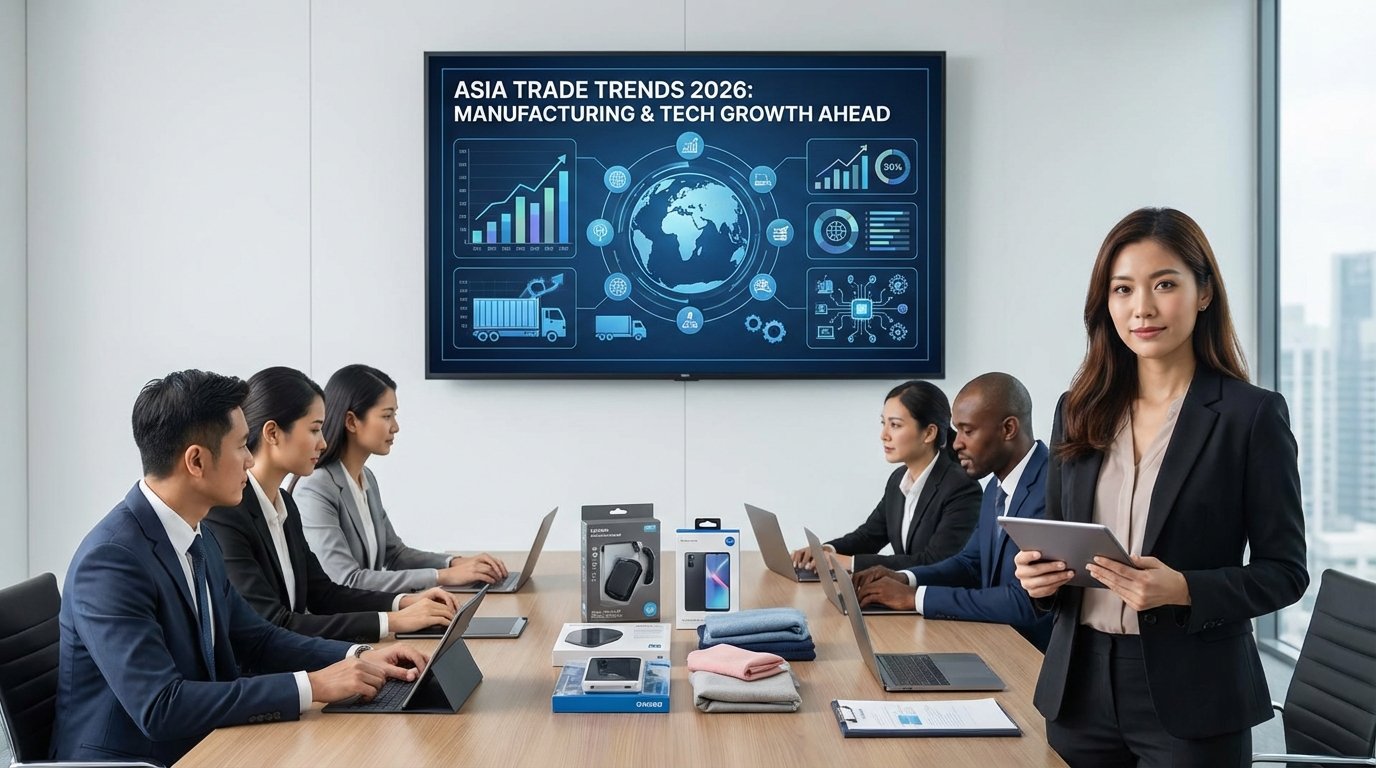
Asia’s Dynamic Trade Landscape: Key Developments Reshaping Business in 2026
The Asian market continues to demonstrate remarkable resilience and innovation across multiple sectors, with significant developments in manufacturing, trade, and technology shaping the region’s economic landscape. This comprehensive analysis examines the most impactful trends and developments affecting wholesale trade and manufacturing in Asia.
Manufacturing Excellence and Technology Integration
Asia’s manufacturing sector is experiencing a transformative phase, marked by substantial investments and technological advancements. Samsung Electronics is leading this charge with its $10 billion expansion of semiconductor manufacturing facilities in Xian, China. This strategic move aims to address the growing global demand for advanced memory chips and strengthens Asia’s position in the global semiconductor supply chain.
In the consumer electronics sector, Xiaomi’s latest initiative to manufacture affordable 5G smartphones across India and Vietnam demonstrates the region’s capability to produce high-tech products at competitive price points. This multi-country manufacturing approach represents a new model for regional production optimization.
Trade Volumes and Economic Performance
The region’s trade performance has reached unprecedented levels, with several key indicators showing robust growth:
- India’s merchandise exports hit $450 billion in the 2025-26 fiscal year
- Japanese economy expanded by 1.5% in Q1 2026
- Southeast Asian e-commerce market valued at $150 billion
- Bilateral trade agreements promising 20% growth in specific corridors
Supply Chain Innovation and Digital Transformation
Digital transformation continues to revolutionize supply chain management across Asia. Singapore’s pioneering digital platform for trade documentation represents a significant advancement in regional logistics efficiency. This system enables real-time shipment tracking and streamlines cross-border trade processes throughout Southeast Asia.
The emergence of new electric vehicle component manufacturing, particularly exemplified by Foxconn’s recent showcase of EV components and battery systems, indicates a strategic pivot toward sustainable transportation technologies.
Strategic Trade Partnerships and Market Access
The formation of new trade partnerships is reshaping market access across Asia. The South Korea-Indonesia economic partnership agreement stands out as a prime example of regional integration, promising reduced trade barriers and expanded market opportunities. This trend toward strategic partnerships is expected to create new opportunities for wholesale traders and manufacturers.
Conclusion
Asia’s wholesale trade and manufacturing sectors are demonstrating remarkable adaptability and innovation in 2026. The combination of technological advancement, strategic partnerships, and digital transformation is creating a more integrated and efficient trading environment. Businesses looking to engage with Asian markets should focus on leveraging these developments while preparing for continued evolution in regional trade dynamics.