

Blog
Asian Manufacturing Trends: 2026 Trade and Growth Outlook

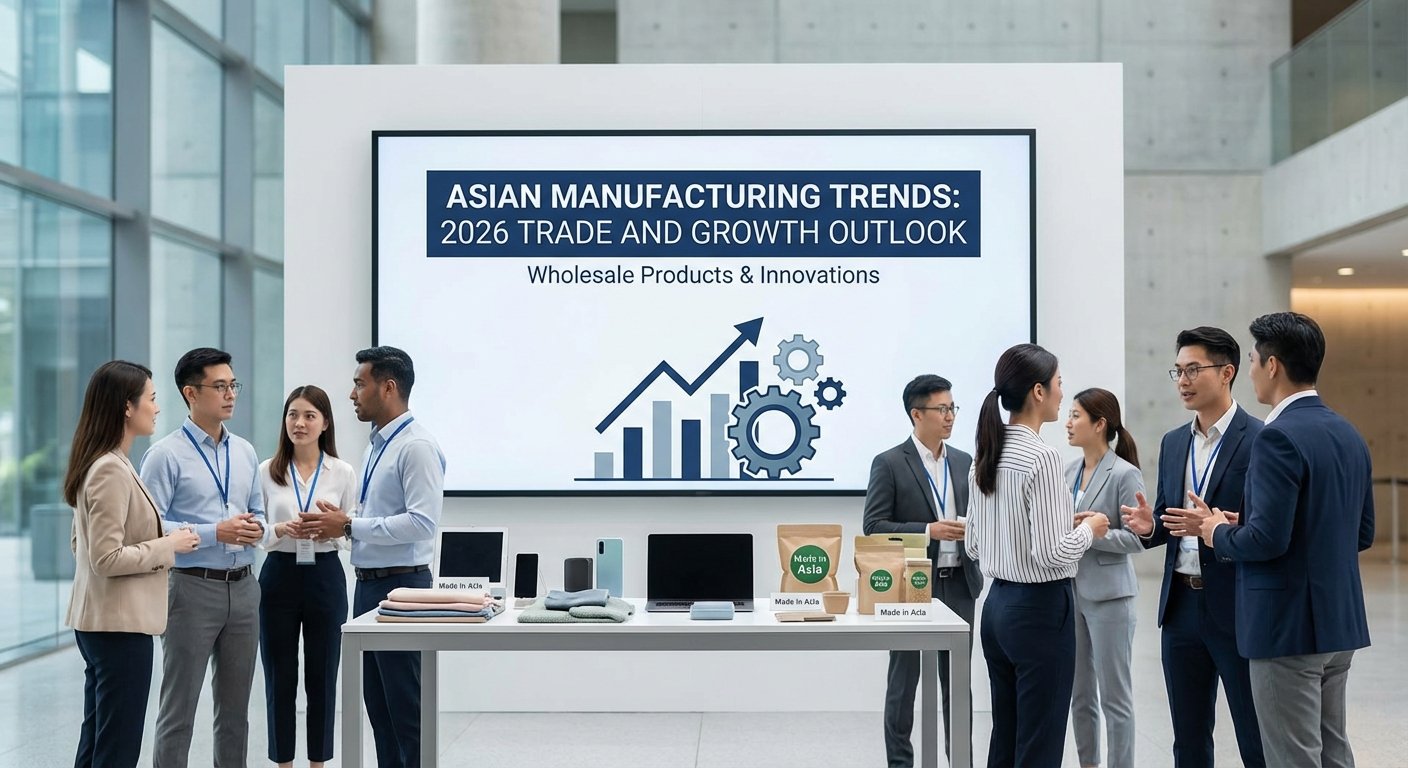
Asia’s Manufacturing and Trade Landscape: Key Developments in 2026
The Asian manufacturing and trade sector is experiencing significant transformations, with major developments reshaping the regional economic landscape. From groundbreaking trade agreements to strategic investments in emerging industries, Asia continues to strengthen its position as a global manufacturing hub.
China’s Export Surge and Economic Recovery
China’s manufacturing sector has demonstrated remarkable resilience, posting a 15% year-on-year growth in export volumes during January 2026. This impressive performance is primarily driven by two key sectors:
- Electronics manufacturing and exports
- Automobile production and international sales
This surge indicates a robust recovery in global demand for Chinese manufactured goods and highlights the country’s continued dominance in international trade.
Strategic Manufacturing Investments Across Southeast Asia
Manufacturing investments across Southeast Asia are reaching new heights, with several significant developments:
Vietnam’s Electronics Manufacturing Boom
Samsung Electronics has committed an additional $500 million investment in its Vietnamese production facilities, reinforcing the country’s position as a key manufacturing hub for high-tech products. This expansion is expected to create thousands of new jobs and strengthen Vietnam’s electronics manufacturing capabilities.
Thailand’s EV Component Manufacturing
Foxconn’s $1 billion investment in Thailand marks a significant shift in the region’s manufacturing focus toward electric vehicle components. This strategic move positions Thailand as an emerging hub for EV supply chain manufacturing in Southeast Asia.
Trade Agreements and Economic Cooperation
The landmark trade agreement between Japan and South Korea represents a significant milestone in Asian economic cooperation. Key features include:
- Reduced trade barriers between both nations
- Projected 20% increase in bilateral trade
- Enhanced economic cooperation frameworks
- Streamlined customs procedures
India’s Economic Indicators and Market Stability
India’s wholesale market shows promising signs of stability with the WPI inflation rate dropping to 4.5% in March 2026. This development can be attributed to:
- Improved supply chain efficiency
- Stabilization of global commodity prices
- Enhanced domestic production capabilities
Conclusion
The Asian manufacturing and trade sector continues to evolve rapidly, with significant investments in new technologies and production facilities. The region’s focus on electric vehicle components, electronics manufacturing, and enhanced trade cooperation suggests a promising outlook for the remainder of 2026. These developments underscore Asia’s crucial role in global supply chains and its adaptive response to changing market demands.