

Blog
Asian Manufacturing Trends: Key Market Changes in 2024

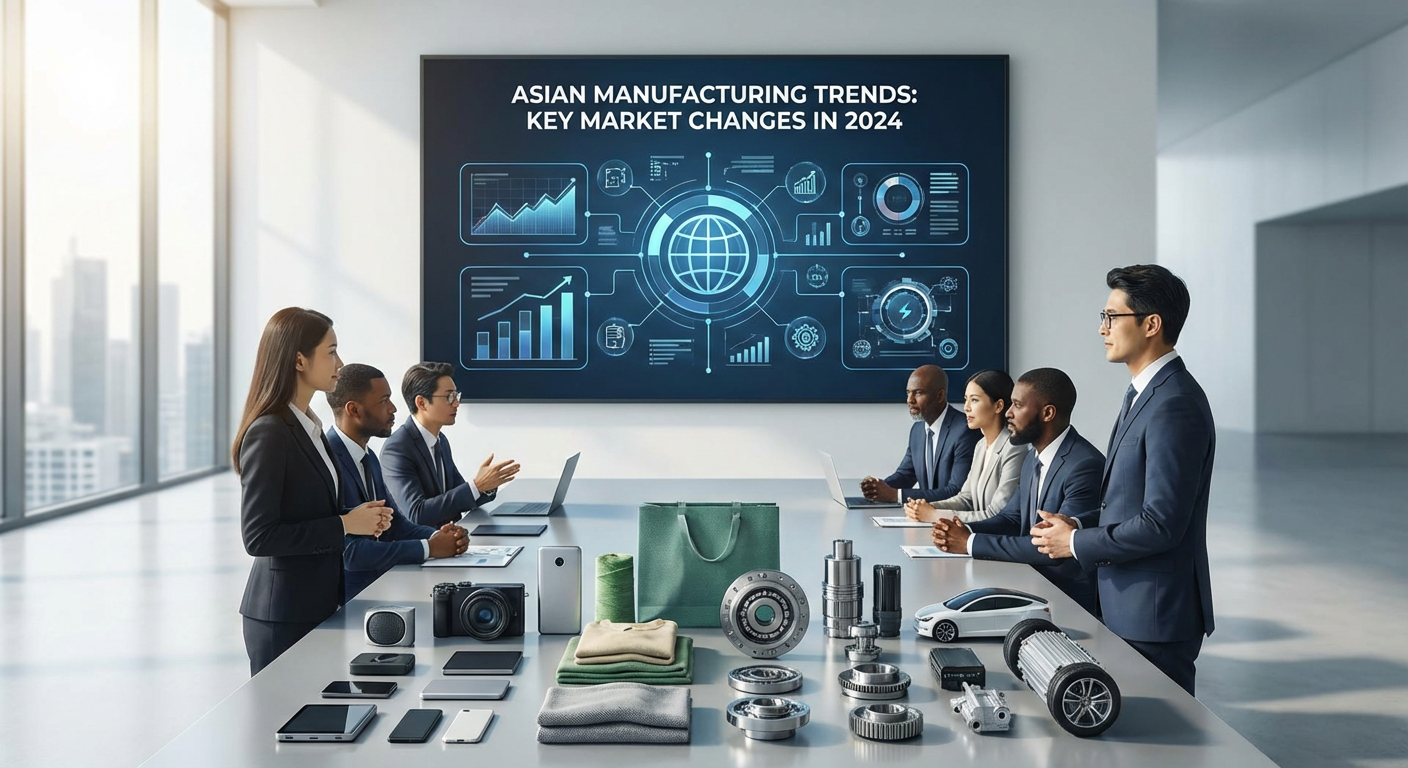
Asia’s Manufacturing and Trade Landscape: Key Developments Reshaping the Market
The Asian manufacturing and trade sector has witnessed significant transformations, with major developments across technology, manufacturing, and economic partnerships reshaping the business landscape. This comprehensive overview examines the latest innovations, manufacturing expansions, and trade developments that are defining Asia’s position in global commerce.
Technology Innovation and Manufacturing Excellence
Asian technology manufacturers continue to lead global innovation, with Samsung Electronics at the forefront. The company’s latest Galaxy Z Fold5 represents a significant advancement in foldable smartphone technology, featuring enhanced durability and user experience improvements. This development signals Asia’s continuing dominance in consumer electronics manufacturing.
In the telecommunications sector, Huawei’s next-generation 5G base station chips mark a crucial milestone in network infrastructure development. These advanced chips deliver superior performance while addressing key industry challenges of power consumption and heat management, positioning Asian manufacturers as leaders in 5G technology.
Manufacturing Expansion and Global Production
The manufacturing landscape has seen notable expansion, particularly in emerging markets:
- Tesla’s new Gigafactory in India represents a significant shift in global EV manufacturing
- Foxconn’s expanded Vietnamese operations strengthen Asia’s electronics manufacturing capabilities
- Regional manufacturing hubs are diversifying across Southeast Asia, reducing reliance on single-country production
Economic Growth and Trade Partnerships
The implementation of the Regional Comprehensive Economic Partnership (RCEP) has created unprecedented opportunities for regional trade. This landmark agreement, coupled with China’s robust 5.8% GDP growth and India’s rise to become the world’s fifth-largest economy, demonstrates the region’s economic resilience and potential.
Bilateral trade agreements, such as the South Korea-Indonesia economic partnership, further strengthen regional economic integration. These partnerships are creating new opportunities for businesses while reducing trade barriers across the Asia-Pacific region.
Supply Chain Innovation and Logistics
Alibaba’s new logistics network represents a significant advancement in regional supply chain infrastructure. This initiative is particularly crucial for:
- Improving cross-border e-commerce efficiency
- Reducing delivery times between major Southeast Asian cities
- Enhancing supply chain resilience
- Supporting small and medium-sized enterprises in regional trade
Conclusion
The Asian manufacturing and trade sector continues to evolve rapidly, driven by technological innovation, economic growth, and strengthening regional partnerships. These developments present significant opportunities for businesses looking to engage with Asian markets, while also highlighting the region’s growing importance in global trade and manufacturing.
For businesses operating in or with Asian markets, understanding and adapting to these changes will be crucial for maintaining competitiveness and capitalizing on new opportunities in this dynamic region.