

Blog
Southeast Asia Electronics Manufacturing Hubs Reshape Trade in 2026

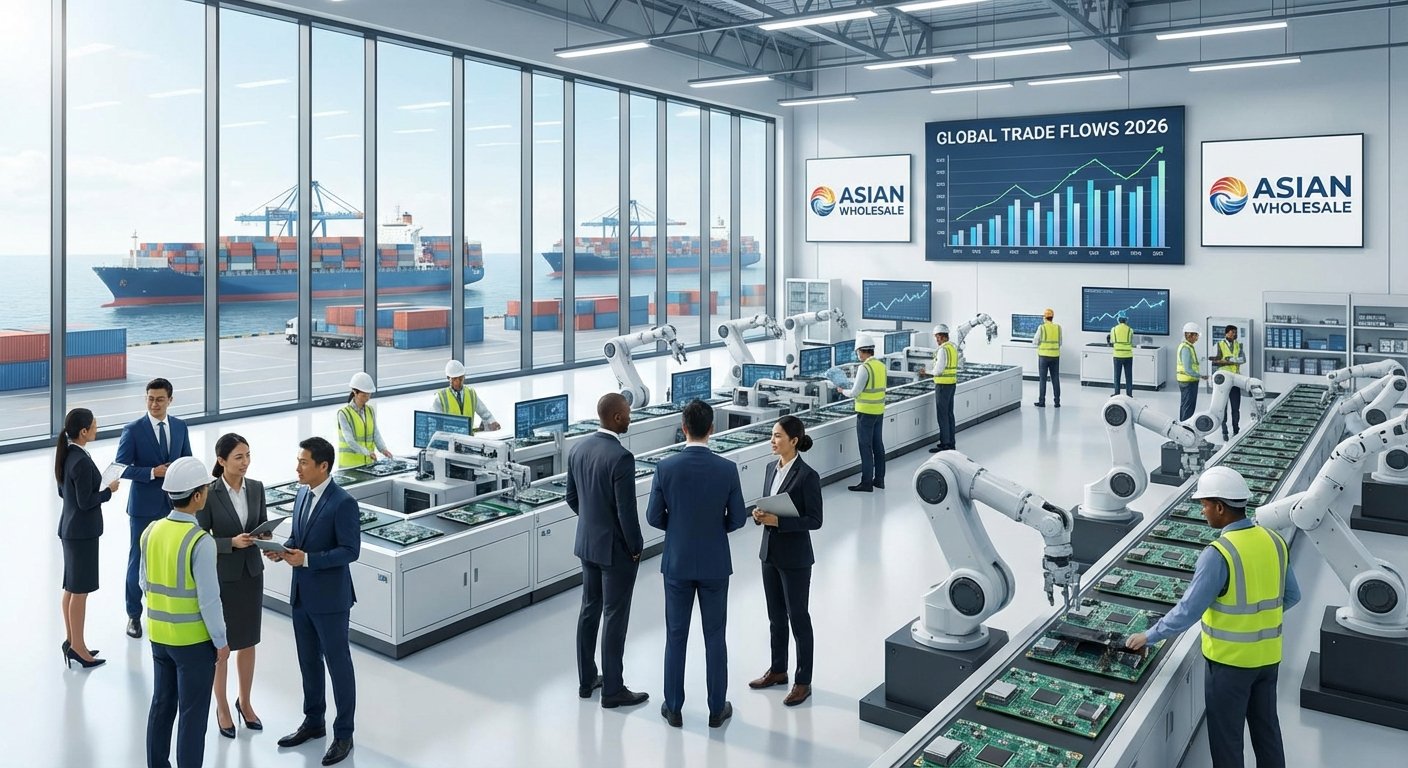
How Southeast Asian Electronics Manufacturing Hubs Are Reshaping Global Supply Chains in 2026
The evolution of electronics manufacturing in Southeast Asia has reached new heights in 2026, with several countries emerging as powerful alternatives to traditional manufacturing centers. This shift represents a significant transformation in global supply chains and presents new opportunities for international buyers and wholesalers.
Vietnam’s Emergence as a Premium Electronics Manufacturing Hub
Vietnam has solidified its position as a premier electronics manufacturing destination in 2026. The country’s sophisticated manufacturing clusters around Hanoi and Ho Chi Minh City now produce advanced semiconductors and consumer electronics for global brands. Recent investments in automation and smart factory technologies have boosted production efficiency by 35% compared to early 2025 levels. The Vietnamese government’s targeted incentives for high-tech manufacturing have attracted over $8.5 billion in new electronics manufacturing investments this year alone.
Indonesia’s Rising Role in Component Manufacturing
Indonesia has made remarkable strides in electronic component manufacturing throughout 2025-2026. Key developments include:
• Establishment of three new semiconductor fabrication facilities in Batam
• 40% increase in printed circuit board production capacity
• Launch of the country’s first lithium battery gigafactory
• Implementation of Industry 4.0 standards across major manufacturing zones
The country’s strategic focus on component manufacturing has helped create more resilient regional supply chains, reducing dependency on single-source suppliers.
Thailand’s Advanced Manufacturing Evolution
Thailand’s Eastern Economic Corridor has transformed into a sophisticated manufacturing hub, specializing in:
• Advanced automotive electronics
• Smart home devices
• Medical electronics
• IoT components
Thai manufacturers have achieved significant breakthroughs in quality control and production efficiency, with defect rates dropping to historic lows of 0.001% in many facilities during 2026. The country’s commitment to sustainable manufacturing has also attracted environmentally conscious buyers.
Digital Integration and Supply Chain Innovation
The integration of digital technologies across Southeast Asian manufacturing facilities has revolutionized supply chain management. Key innovations include:
• AI-powered quality control systems
• Blockchain-based supply chain tracking
• Automated warehouse management
• Real-time production monitoring
These technological advances have improved transparency and reduced lead times by an average of 28% compared to 2025 figures. The region’s manufacturers have also implemented advanced cybersecurity measures to protect intellectual property and maintain data integrity.
Conclusion
Southeast Asia’s electronics manufacturing sector has emerged as a crucial player in global supply chains during 2025-2026. The region’s commitment to technological advancement, quality improvement, and sustainable practices has created a robust manufacturing ecosystem that offers significant advantages for international buyers. As these manufacturing hubs continue to evolve, they are expected to play an increasingly important role in shaping the future of global electronics production and distribution.
With continued investments in infrastructure, technology, and workforce development, Southeast Asian manufacturers are well-positioned to meet the growing demand for high-quality electronics components and finished products in the global market. Their success demonstrates the region’s capacity to adapt to changing market demands while maintaining competitive advantages in cost and quality.